
The Essence of Kumaoni Food
The essence of Kumaoni food lies in its simplicity, nutrition, and deep connection to the Himalayan landscape. The region’s mountainous terrain and cool climate have greatly influenced its culinary heritage, resulting in dishes that are wholesome, energy-rich, and easy to digest. Kumaoni cuisine is known for making the most of locally available ingredients while preserving authentic flavors and nutritional value. This unique style of cooking reflects the culture, lifestyle, and natural resources of the region, offering a perfect blend of taste, health, and sustainability.
- Key characteristics of Kumaoni food include:
- Use of regional grains such as Mandua (Finger Millet) and Jhangora (Barnyard Millet)
- Fresh seasonal vegetables and nutrient-rich leafy greens
- Minimal use of oil and spices, allowing natural flavors to shine
- Slow-cooking methods that enhance taste and texture
- High nutritional value, making meals both healthy and satisfying
These unique qualities reflect the essence of Kumaoni food, showcasing a culinary heritage that is deeply rooted in nature, sustainability, and the rich culture of Uttarakhand.
Kumaoni cuisine is unique because of its simplicity. Each dish tells a story of local ingredients, sustainable practices, and a close relationship with the natural world.
Popular Kumaoni Dishes You Must Try
1. Bhatt Ki Churkani
https://en.wikipedia.org/wiki/Kumaoni_cuisinehttps://en.wikipedia.org/wiki/Kumaoni_cuisineBlack soybeans (bhatt) are used to make Bhatt Ki Churkani, one of the most famous Kumaoni meals. The beans are cooked slowly in a thick sauce that is frequently seasoned with traditional spices and garlic.
This meal is:
- Packed with protein
- Rich in earthy tastes
- Ideal for chilly mountain climates
It is a mainstay in many local homes and is usually eaten with steamed rice.
2. Aloo Ke Gutke
Aloo Ke Gutke is a straightforward yet wonderfully tasty dish made of boiling potatoes sautéed in mustard oil with local spices, cumin seeds, and red chilies.
What distinguishes it:
- Strong and fiery taste
- Easy to prepare
- Frequently served at festivals and other special events
It goes well with mandu or puri.a roti and is a favorite among both locals and tourists.
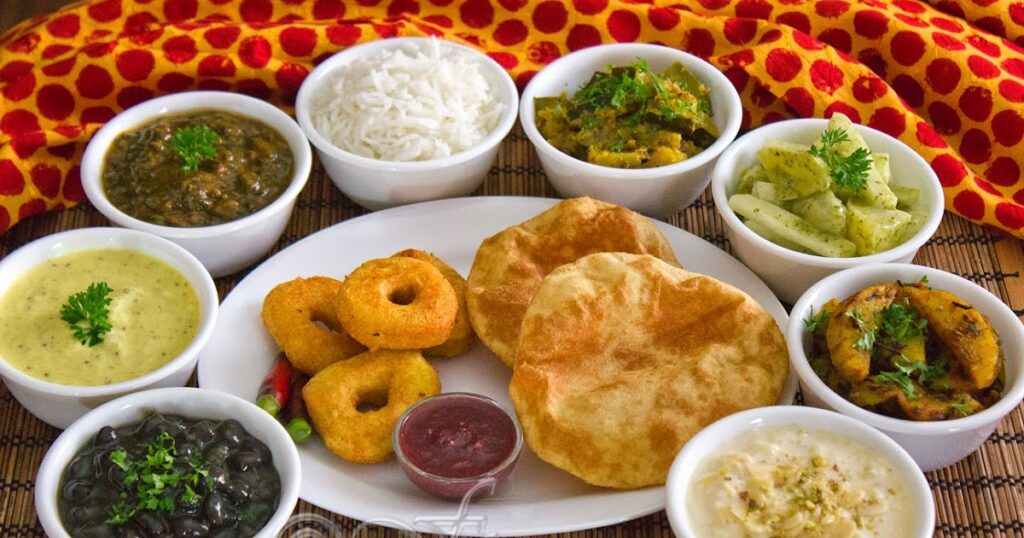
3. Kafuli
The Essence of Kumaoni Food
Kafuli is a traditional green curry made using spinach and fenugreek leaves. It is thickened with rice or wheat paste and cooked slowly to bring out its rich flavors.
Why you should try it:
- incredibly nutritious and healthful
- Packed with vitamins and iron
- distinct flavor in contrast to standard Indian curries
Kafuli is a fantastic choice for people seeking light but filling food, and it is typically eaten with rice.
4. Chainsoo
A lesser-known but incredibly tasty dish made from roasted black gram (urad dal) is called chainsoo. A thick, smokey curry is made by grinding and cooking the dal.
Highlights:
- A distinct smell of roasting
- high level of protein
- Conventional and genuine preparation
This meal exemplifies the culinary traditions of the Kumaoni people.
5. Mandua Roti
A primary grain in the area is mandua, sometimes referred to as finger millet. This flour is used to make the flatbread recognized for its health advantages, mandua roti.
Benefits:
- Rich in fiber
- aids in digestion
- keeps the body warm in chilly conditions.
It is frequently served with regional curries, chutney, or ghee.
6. Jhangora Ki Kheer
Jhangora Ki Kheer is an essential delicacy for anyone with a sweet taste. This tasty and nourishing recipe is made with barnyard millet, milk, and sugar.
What distinguishes it:
- Easy to digest and light
- An original substitute for rice kheer
- A customary celebratory dessert
Farm-to-Table Culture
The farm-to-table philosophy of Kumaoni food is among its most exquisite features. The majority of the components come from nearby farms or forests.
This guarantees:
- Every meal should be fresh.
- Very little preservative use
- Encouragement of regional farmers
Vegetables such as pum, radish, and spinachpkin, and beans are often grown organically, making the food healthier and more flavorful.
Traditional Cooking Methods
The preparation of Kumaoni cuisine is just as important as the ingredients.
Key cooking techniques:
- Cooking slowly over low heat
- Using iron utensils to improve nutrition
- Grinding and roasting fresh spices
- Very little processing
These techniques aid in preserving the food’s inherent flavor and nutritional content.
Where to Experience Kumaoni Cuisine in Mukteshwar
The best way to enjoy authentic Kumaoni food is by staying at local homestays or nature retreats. Unlike commercial restaurants, these places often prepare food using traditional recipes passed down through generations.
At Mukteshwar Nature Trail, guests can enjoy:
- Freshly cooked local meals
- Seasonal dishes
- Customizable options
- A homely dining experience
Eating here is not just about food—it’s about experiencing the culture and warmth of the region.
Why You Should Try Local Cuisine While Traveling
One of the most crucial aspects of traveling is sampling local cuisine. It enables you to fully feel the place, comprehend the way of life, and establish a connection with the culture.
Advantages
- Explore diverse flavors
- Encourage local communities
- Savor healthier meals
- Make experiences that others will remember.
Kumaoni food is known for its simplicity andauthenticity, offers all of this and more.
Tips for Enjoying Kumaoni Food
To make the most of your culinary experience in Mukteshwar, keep these tips in mind:
- Be willing to try new foods.
- Seek advice from locals.
- For real food, choose homestays.
- Consume seasonal and fresh meals.
Enjoy the natural flavors instead of overpowering seasonings.
A Culinary Experience Like No Other
Imagine savoring a warm meal of homemade Kumaoni cuisine while relaxing in a serene mountain setting with lots of greenery and clean air. The meal’s simplicity and the breathtaking scenery combine to make a genuinely remarkable experience.
Meals here are leisurely, meaningful, and slower than those in the fast-paced city. The customs and way of life of the hills are reflected in every bite.
Conclusion
More than just food, local Kumaoni cuisine reflects the culture, ecology, and way of life of the area. Every meal offers a different and genuine experience, from nourishing classics like Mandua Roti to nutrient-rich meals like Bhatt Ki Churkani and Kafuli.
Make sure to sample the local food and become fully immersed in its flavors if you are considering a vacation to Mukteshwar. In addition to satisfying your palate, it will deepen your understanding of the area.
Enjoy fresh, cooked meals in the middle of nature while staying at Mukteshwar Nature Trail to experience the authentic flavor of Kumaon.